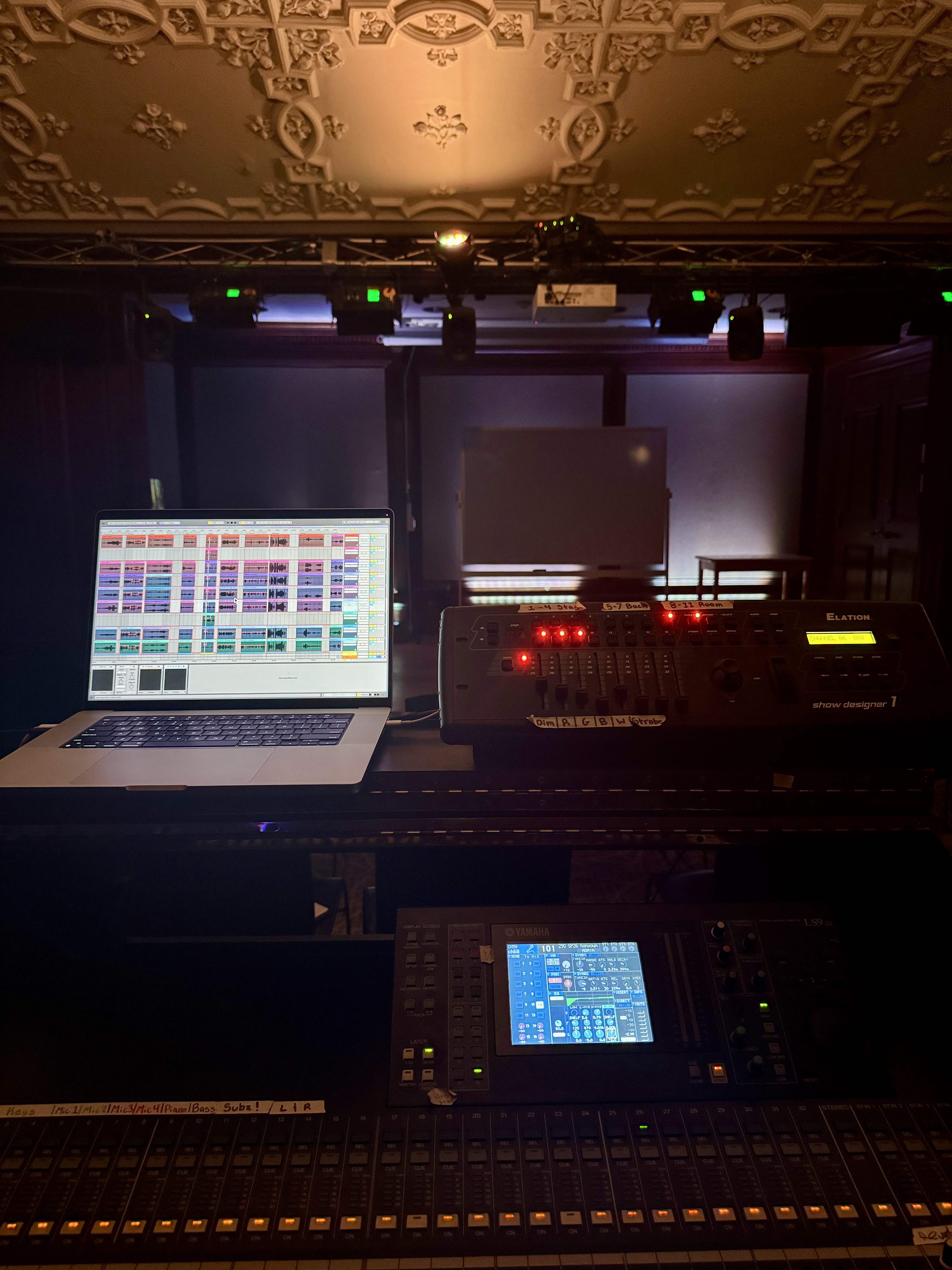
Interactive systems, composition, and performance.
Systems · 2025
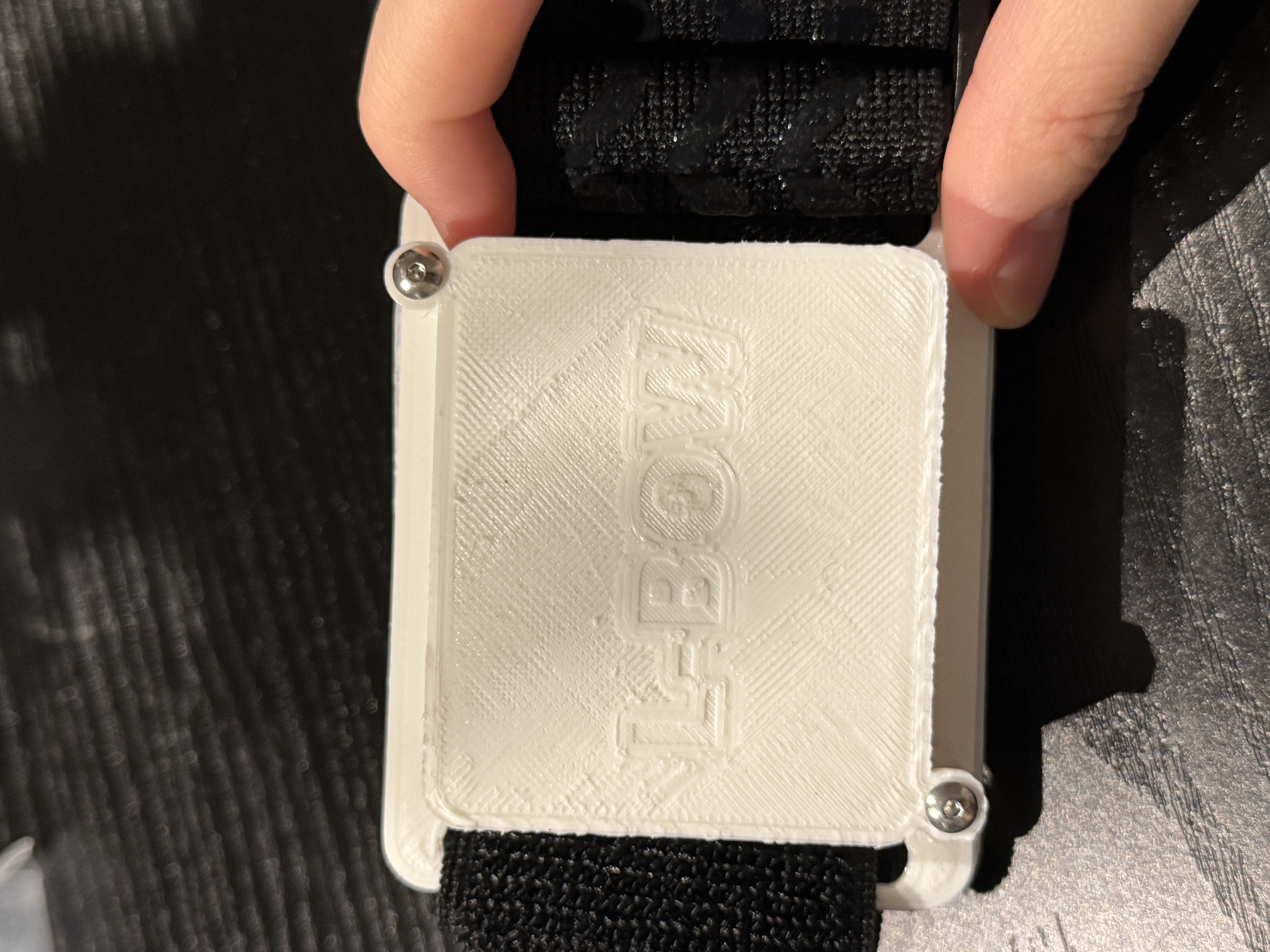
L-Bow
Augmented Instrument
Wearable Sensing
Real-Time DSP
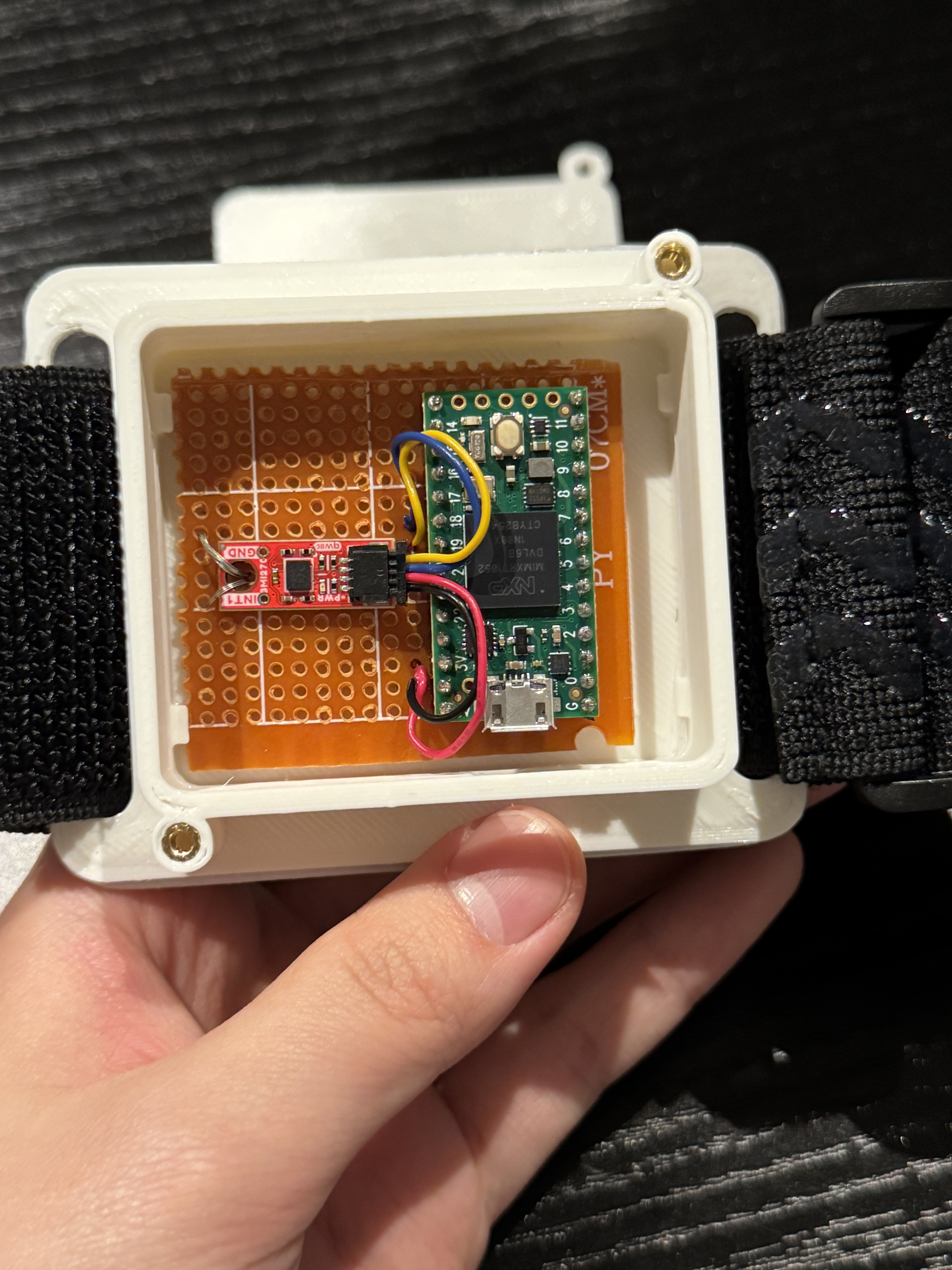
A wearable IMU system in a 3D-printed case that maps bowing gestures to real-time sound processing. It extends the violin's expressive possibilities without modifying the instrument or bow.
My role
Independent project — instrument design, gesture-to-DSP programming & research
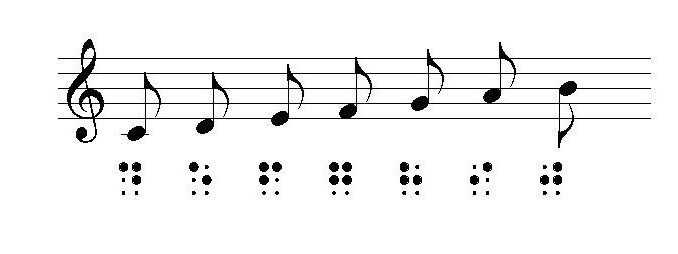
Learning music brings eyes, ears, hands, and mind into dialogue, connecting written notes with instrumental parts and the sounds they produce. For visually impaired musicians learning from Braille scores, making these connections can require moving their hands between the page and a computer's navigation controls, interrupting the flow of reading and listening.
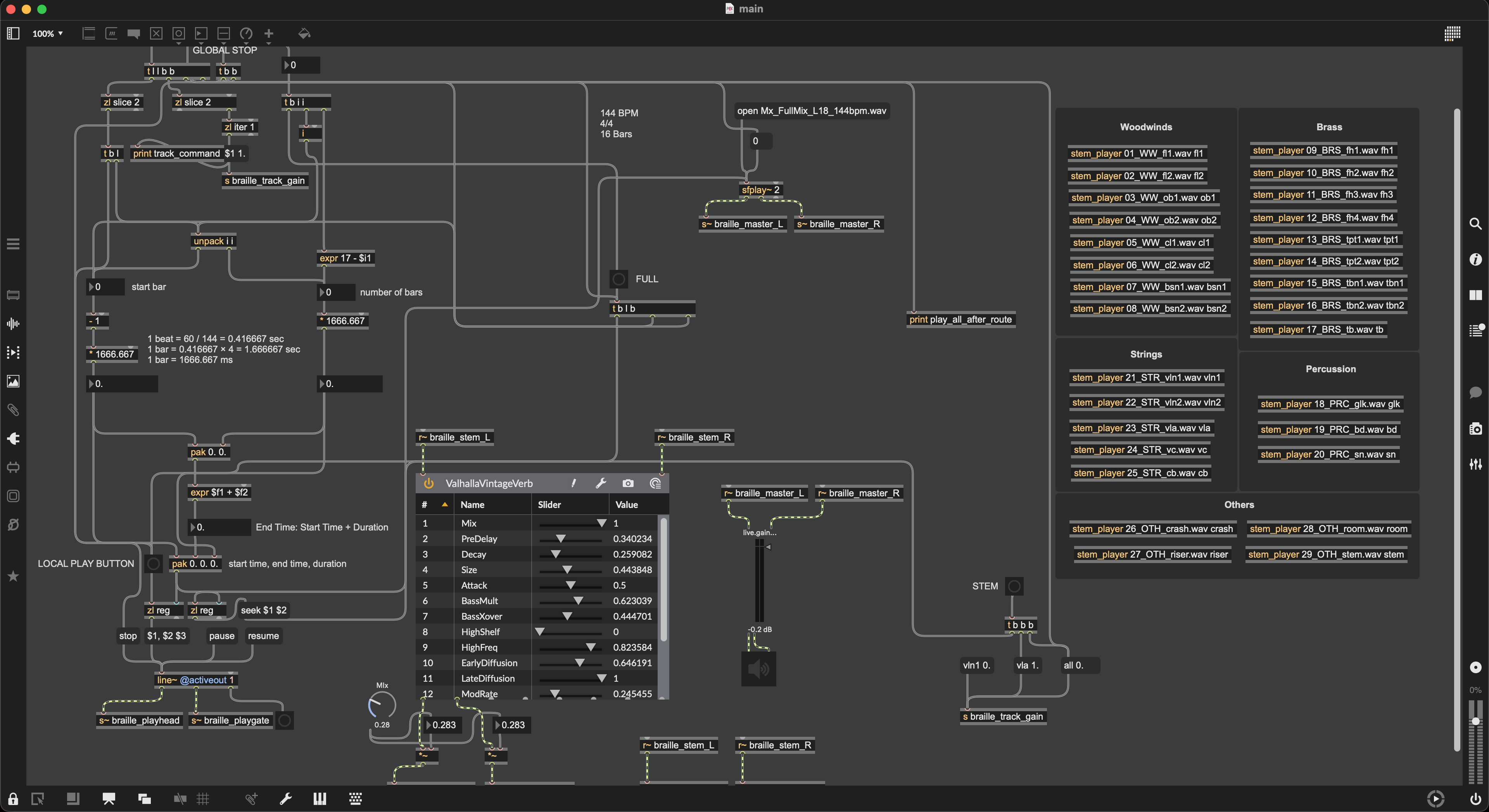
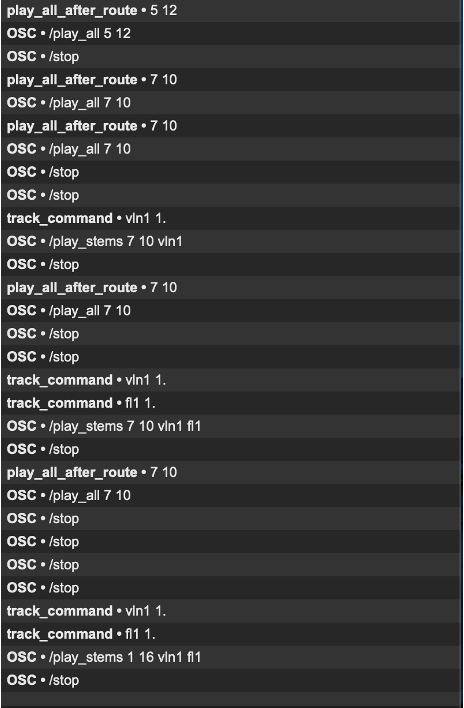
What the Fingers Hear transforms a physical Braille score into an interactive listening interface for visually impaired musicians. The system combines computer vision, natural-language understanding, and synchronized multitrack playback, using the reader's fingertip to anchor the musical location and voice commands to shape what they hear. A request such as “Play flute one and cello from here” connects a position on the physical score to a chosen combination of instruments, with spoken clarification supporting conversational refinement. Readers can explore a single part, compare instrumental combinations, and hear the ensemble as they move through the page.
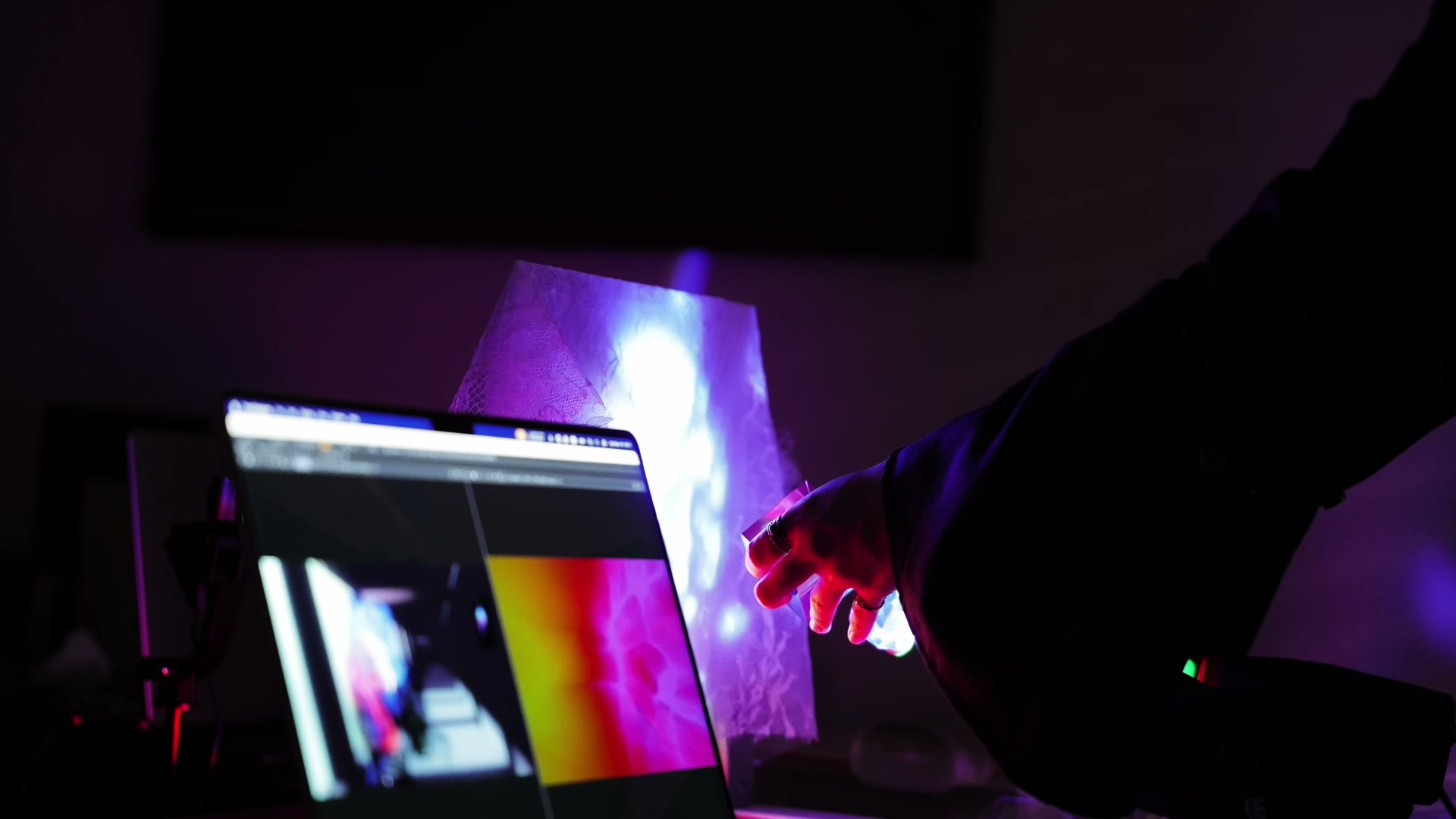
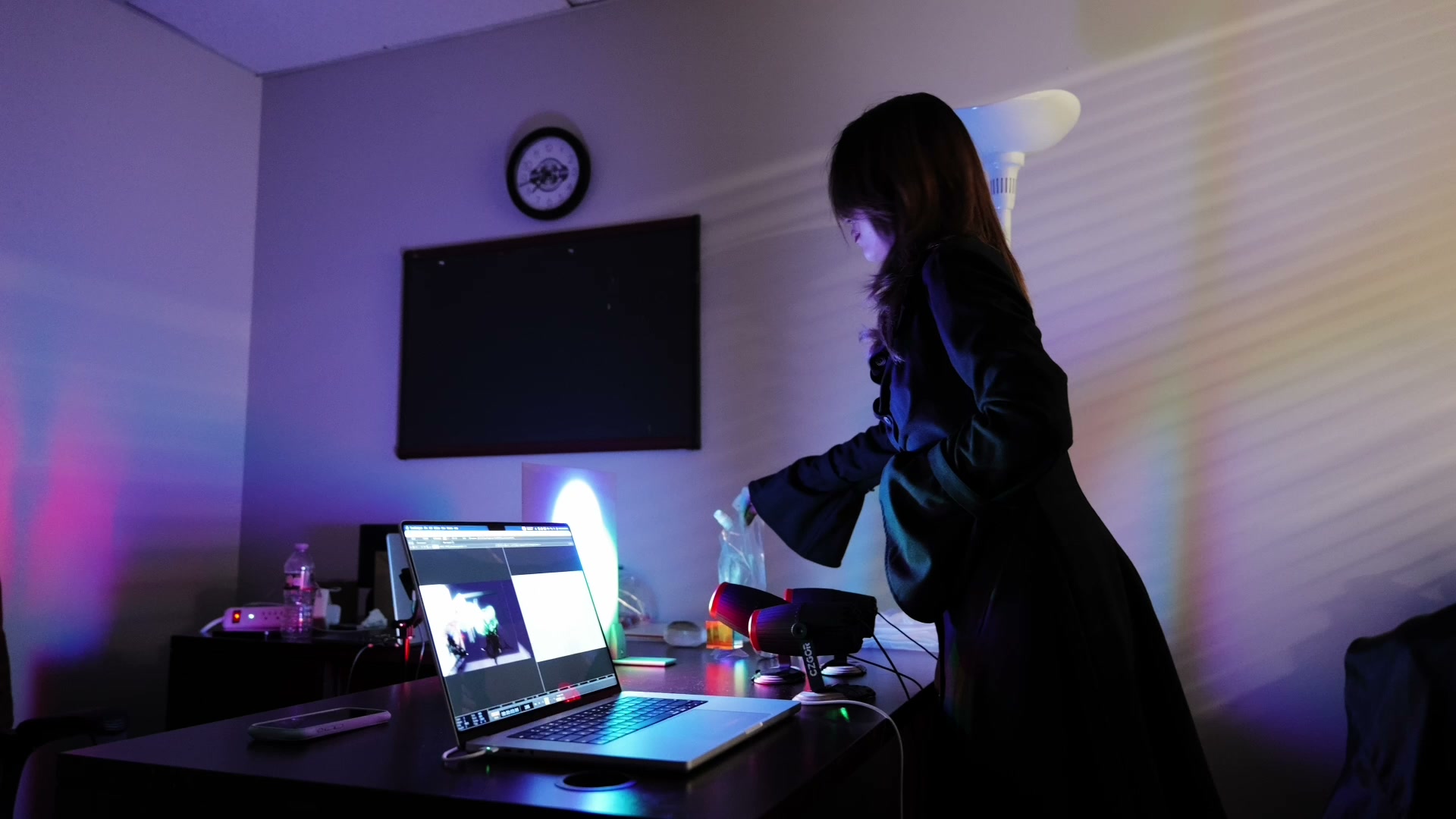
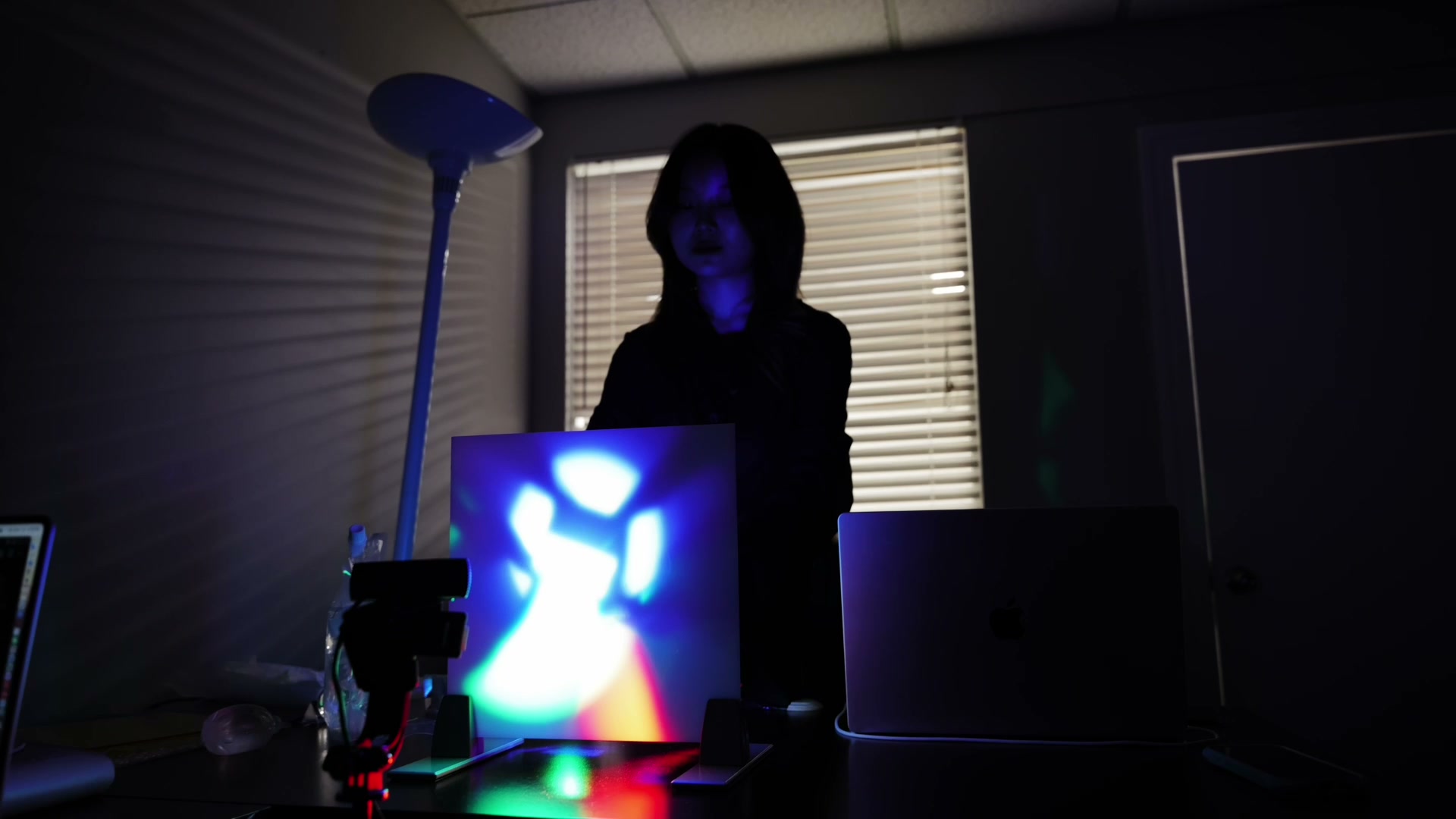
What the Light Carries is a participatory audiovisual installation that turns physical light manipulation into an evolving sensory archive. Visitors interact with polygonal objects to shift and redirect optical reflections, whose real-time variations are mapped directly to live sound and visuals within a continuous feedback environment. Structured across successive interactive rounds, the system carries each participant's choices forward—making the gradual accumulation and loss of detail both audible and visible over time.
My role
Interaction system design, concept, visuals & audio creative work, curation
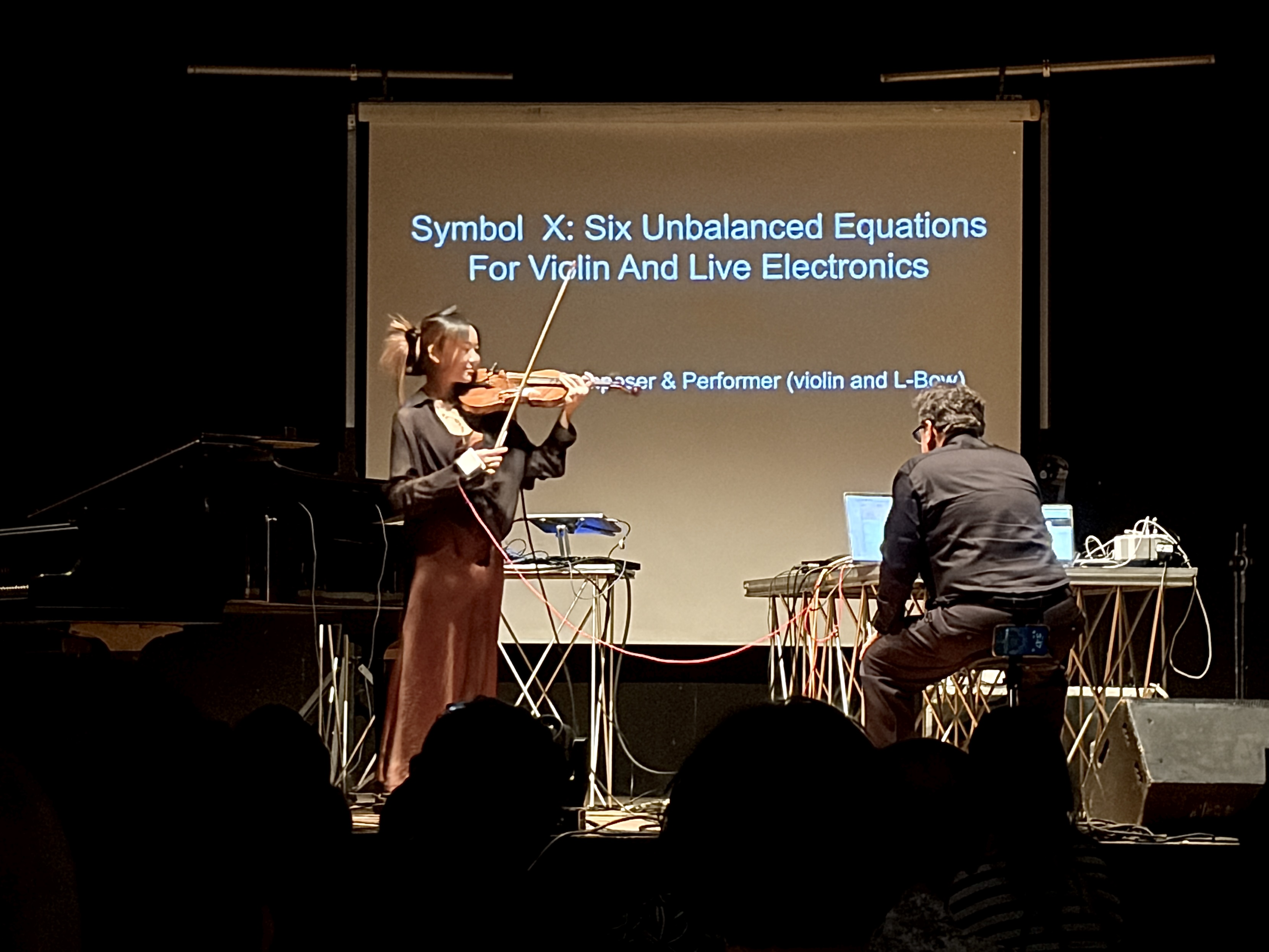
A six-piece work for violin and live electronics built around mathematical symbols and impossible equations. Each section reflects a different social pressure surrounding women, including gaze, prejudice, comparison, anxiety, and the search for balance.
Symbol X is structured around six mathematical symbols, each a framed scene addressing a different social context: the gaze, misunderstanding, prejudice, public opinion, comparison, and anxiety.
I. 1/0
Zero cannot be used as a divisor; here, the symbol suggests a kind of looking that should not exist. The gazer hides in the dark, watching through even the smallest gap, while the woman being watched is reduced to a symbol, a label, an object.
II. 8
The digit 8 traces the curves of the female body, suggesting softness and beauty, but also the function imposed upon it. The body may be admired, objectified, or placed in danger because of that admiration. It is both image and problem.
III. x = x+1
The equation has no solution. Anxiety about age, appearance, fertility, and social expectation accumulates on women, forcing them to chase a standard that is always moving further away.
IV. {(1,1)(1,1)(1,1)}
A woman too symmetrically beautiful is said to lack memorable quality; a well-placed flaw makes her likeable. Society names the acceptable deviation “individuality.” This scene examines the shells that women are expected to inhabit: the tolerated and the punished.
V. −∞ = +∞
No matter how much one has, it may feel equivalent to nothing. This scene depicts how women are pushed into comparison and competition, and how such comparison generates unnecessary jealousy and hostility toward other women.
VI. 1+1=2
A brief utopia: a beautiful, equal, clear space where relationships return to balance and recognition. This ending does not resolve reality; it opens a temporary musical possibility in which women are no longer only the objects being watched, but become the ones who redraw the frame.
Sound · 2025
Within Cells Interlinked
Spatial Audio
Custom DSP
Sound Design
A 10-channel spatial composition work built entirely from the spoken phrase “within cells interlinked” from Blade Runner 2049. The voice is fragmented, transformed, and reshaped into the piece's instrumental material, while the spatial design draws inspiration from the vast, immersive sonic world of Dune.
My role
Composer, sound designer & performer
Performance / exhibition
10-channel spatial work · Berklee, 2025
Stereo listening version — headphones recommended
Listen to the 10 individual channels
Performance
Violin Playlist
Violin Performance
Concert Recordings
A collection of my violin performances and concert recordings.
Gesture-Driven Digital Audio Effects for Augmented Violin in a Unified Csound Environment
Jinlan Zhao & Richard Boulanger
2026ICSCAccepted — Presenting at Trapani, Italy, Oct 2026
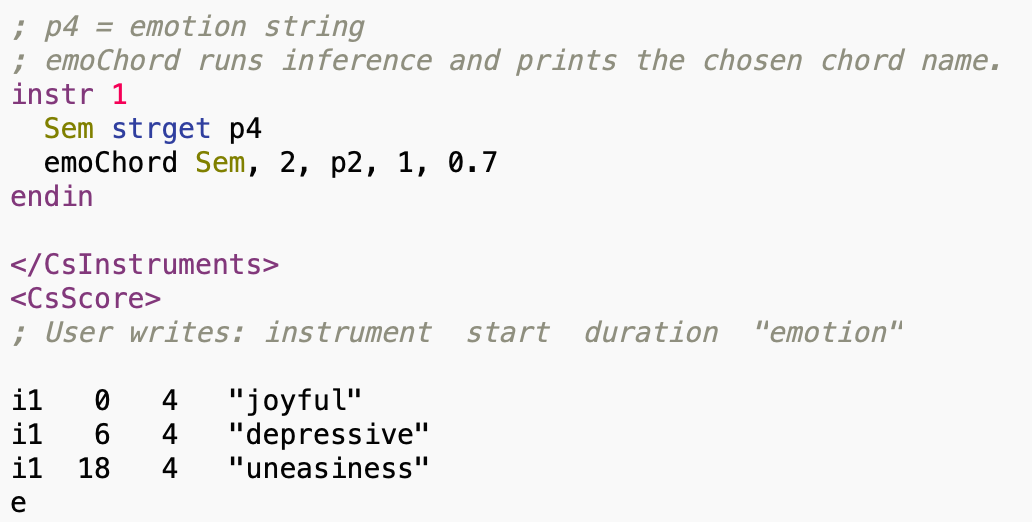
Embedding Live Machine Learning in Csound: Emotion-Driven Harmony via an ONNX-Runtime Opcode
Jinlan Zhao, Li (Charlie) Shi & Richard Boulanger
2026ICSCAccepted — Presenting at Trapani, Italy, Oct 2026
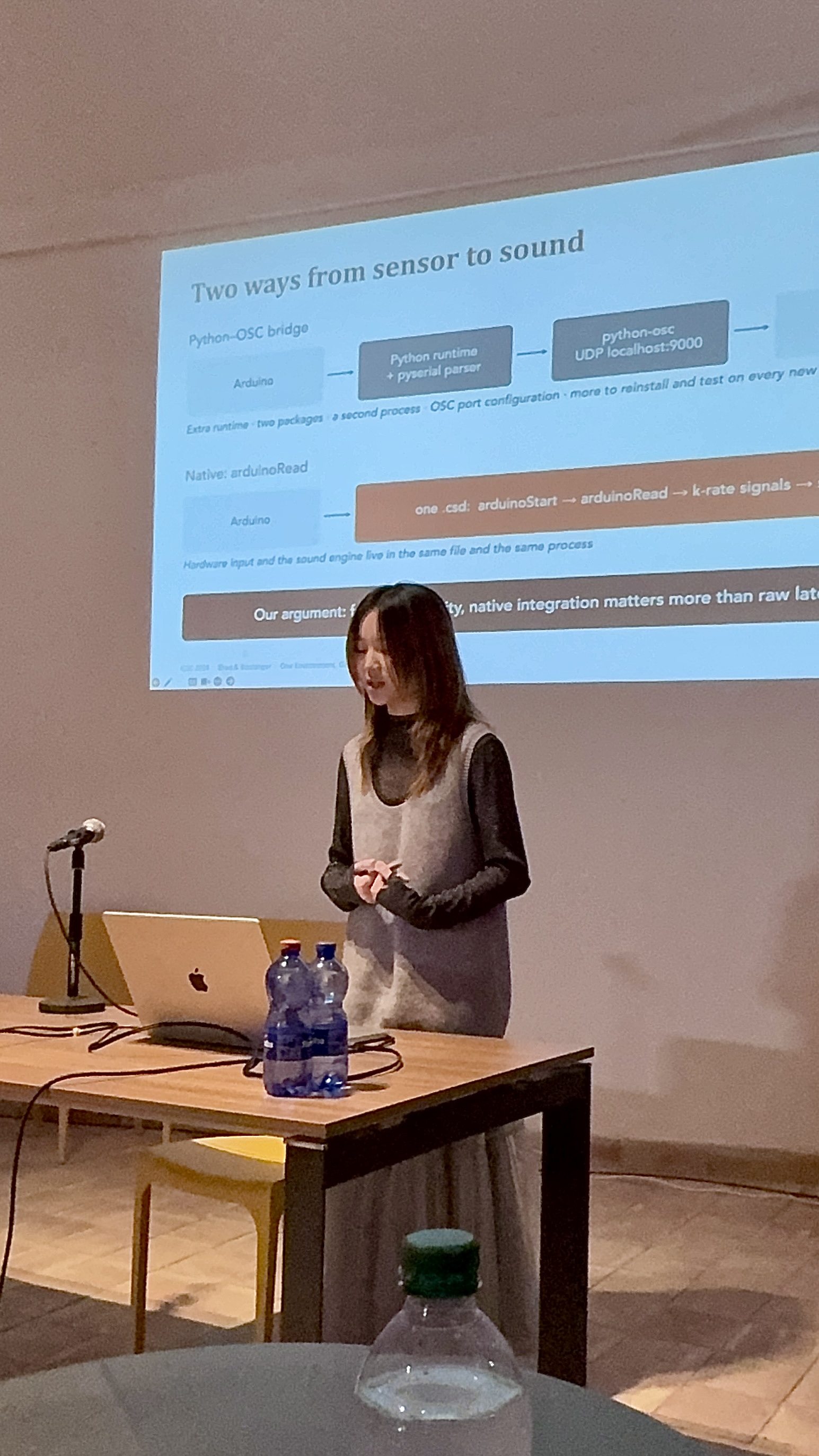
One Environment, One Chain: Csound's arduinoRead as a Native Sensor Interface for Performance-Oriented IMU Control
Jinlan Zhao & Richard Boulanger
03About
Jinlan Zhao is a composer, violinist, and interdisciplinary artist working across music technology, interactive systems, and performance. Her practice explores how sound, gesture,
technology, and human perception shape one another. Working across composition, interactive installation, instrument design, creative coding, and spatial audio, she uses technology as a medium for
musical interaction, building experiences that invite people to notice the world differently.
Trained first as a classical violinist, Jinlan expanded her practice from performance into composition, electronic production, and interactive media. Her
recent work includes wearable musical interfaces, machine-learning systems for music, multichannel composition, and interactive installation. She is currently studying Electronic
Production and Design at Berklee College of Music, where her work moves between artistic practice and technical experimentation.